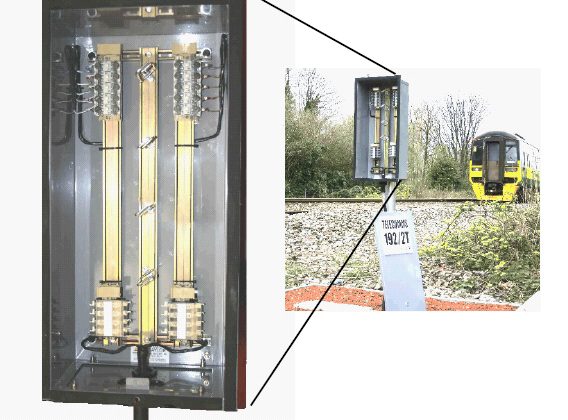
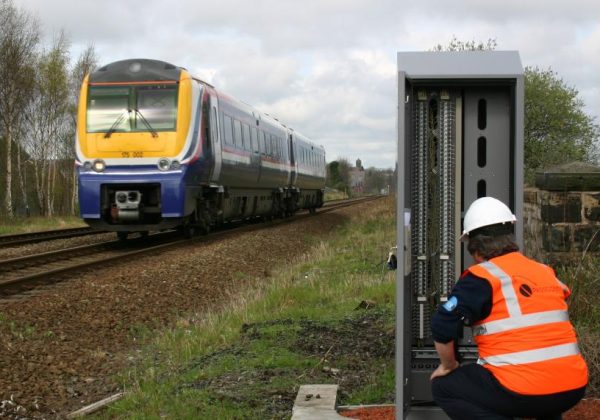
Roadside electrical equipment is often installed in places where maintenance is difficult, disruptive and expensive.
A relatively simple repair may require traffic management, restricted working windows, specialist access arrangements or coordination with a wider highways programme. In these situations, the time an engineer spends opening a cabinet, identifying a fault and reaching the relevant component has a direct impact on the cost and complexity of the job.
This means roadside electrical enclosures should not be designed only around environmental protection and equipment capacity. They should also be designed around the people who will need to inspect, repair and upgrade them throughout their working life.
Good enclosure design can reduce maintenance time, make fault finding easier and help engineers complete more work within limited access windows.
Maintenance needs to be considered at the design stage
One of the easiest mistakes to make is to design an enclosure around installation and leave maintenance to be considered later. At commissioning, this may not appear to be a problem. The equipment is new, clearly documented and unlikely to require immediate intervention.
Several years later, however, engineers may need to replace a power supply, test a connection or investigate a communications fault in difficult roadside conditions.
The enclosure should therefore be designed around realistic maintenance tasks from the outset. Frequently serviced components need to be easy to reach, engineers need enough room to work safely, and replaceable equipment should be removable without dismantling unrelated systems.
The question is not simply whether everything fits inside the cabinet. It is whether an engineer can understand, access and repair it efficiently when time on site is limited.
Make access straightforward
Access is one of the biggest influences on roadside maintenance time. Door position, opening direction, internal working height and the location of key equipment can all affect how easily engineers can work.
A cabinet positioned close to a barrier, wall or embankment may not allow a conventional door to open fully. Wind can also create additional risk if a large door cannot be secured safely during maintenance.
Inside the enclosure, components that are likely to need regular attention should be positioned within clear working areas. Power supplies, switches, breakers and connectors should not be hidden behind large cable bundles or other equipment.
Removable mounting plates or modular sections can also improve access where they allow related equipment to be removed as a complete assembly. The aim should be to create a cabinet that can be opened, understood and worked on without unnecessary dismantling.
Organise power, fibre and cabling logically
Roadside cabinets often contain several infrastructure types within a relatively small space.
Power, copper, fibre and active communications equipment may all need to coexist, so the internal layout should make their relationship clear.
Cable routes should keep important components accessible rather than running directly across them. Power and communications infrastructure should be separated where required, while fibre needs appropriate bend-radius control and protected routes to termination points.
Cable entry should follow the same logic. Separate or clearly defined entry zones can make systems easier to trace and help avoid congestion around glands and entry plates. Some spare capacity can also make it easier to introduce additional cables in the future without disrupting existing infrastructure.
A well-organised enclosure allows an engineer to trace a connection quickly from entry point to termination, reducing the time needed for both fault finding and repair.
Use clear identification and consistent layouts
Engineers should not have to spend the first part of a maintenance visit determining what each component or cable does. Durable labelling can significantly reduce diagnosis time.
Cables, breakers, fibre terminations, connectors and active equipment should be identified consistently and in a way that matches the project documentation. Standardising layouts across multiple roadside electrical enclosures can provide an additional advantage.
If similar sites use the same component positions, labelling conventions and cable routes, maintenance teams become familiar with the arrangement. They can locate equipment faster and carry fewer variations of spare parts.
Not every cabinet needs to be identical, but maintaining common design principles across an infrastructure programme can make the entire asset base easier to support.
Design components to be replaced quickly
A component being visible does not necessarily mean it is easy to replace. The enclosure should provide enough clearance to disconnect cables, remove fixings and physically extract failed equipment without dismantling large parts of the installation.
Modular design can help. Where practical, power supplies, switching assemblies or other active equipment can be designed as replaceable units. This allows engineers to exchange a faulty module at the roadside and carry out detailed investigation elsewhere.
The same principle can be applied to mounting plates or pre-wired assemblies where it improves serviceability.
This approach is particularly valuable where traffic-management windows are short. Restoring operation quickly can matter more than diagnosing and repairing an individual component in situ.
Use diagnostics to make maintenance visits more targeted
A significant proportion of maintenance time can be spent identifying the problem rather than fixing it. Clear status indicators and diagnostic information can reduce this.
Where infrastructure is connected, remote monitoring can provide even more information before an engineer reaches the site. Depending on the equipment, operators may be able to identify power faults, temperature problems or communications failures remotely.
This makes it easier to send the correct engineer with the correct replacement parts. Remote monitoring can also help identify developing issues before they become failures. Rising cabinet temperatures, for example, may indicate restricted ventilation or another environmental problem.
The result is a more targeted maintenance strategy with fewer unnecessary roadside visits.
Keep thermal management maintainable
Active equipment such as switches and power supplies can generate significant heat inside an enclosure.
Ventilation or cooling may therefore be required, but the thermal-management system should not create unnecessary maintenance of its own.
Roadside environments can contain considerable amounts of dust, pollution and other airborne contaminants. Filters may become blocked and fans will eventually require attention. Where passive thermal management can meet the equipment requirements reliably, it may reduce the number of serviceable components.
Where forced ventilation is necessary, filters and fans should be easy to reach and replace without disturbing other systems. Thermal performance and maintainability need to be considered together rather than treating cooling as a separate design problem.
Preserve environmental protection after repairs
Fast access should not compromise weather protection. Every time an enclosure is opened or modified, there is a possibility that seals, cable glands or other environmental barriers will be disturbed.
Designing these elements for straightforward inspection and replacement helps reduce the risk. Cable-entry systems should allow new or replacement cables to be installed without improvised modifications to the cabinet. Door seals should remain robust after repeated use, while glands and entry plates should be easy to reseal correctly.
Maintenance procedures should also make it clear which areas need checking before the enclosure is returned to service.
The objective is to make repairs faster without creating problems that result in another maintenance visit later.
Design around the roadside working environment
Maintainability depends on more than the internal enclosure layout. Engineers also need somewhere safe and practical to work.
Cabinet height, orientation and door opening should take the roadside environment into account. An enclosure mounted too low can make prolonged work uncomfortable, while an unnecessarily high installation may require additional access equipment.
The position from which engineers will work should also be considered. Where possible, doors and serviceable components should be oriented towards the safest available working area rather than forcing engineers closer to live traffic.
This is particularly important on narrow verges or constrained highway sites. Thinking about the complete working environment can improve both maintenance efficiency and safety.
Build in enough capacity for future changes
An enclosure that is completely full when commissioned can become difficult to modify later.
Roadside communications and electrical networks change over time. Additional fibre may be required, equipment may be replaced and new connections may need to be introduced.
Providing a sensible amount of spare internal space, mounting capacity and cable-entry provision can make these upgrades much easier. That does not mean specifying an unnecessarily large cabinet.
The objective is to understand the likely evolution of the network and provide enough flexibility for foreseeable changes. Future capacity can reduce the need for awkward roadside modifications or complete enclosure replacement later in the asset lifecycle.
Off-site assembly can improve installation and future repair
Building and testing enclosure assemblies away from the roadside can improve consistency.
Components can be mounted, labelled and connected within a controlled environment before the cabinet reaches site. This can create cleaner internal layouts, more consistent cable management and fewer installation variations between locations.
The same approach can support maintenance. If replacement modules or assemblies are standardised and prepared off site, engineers can exchange them quickly during a restricted access window.
Reducing the amount of fabrication and fault diagnosis carried out beside the road can improve both initial installation and long-term support.
Accurate documentation shortens fault finding
Even a well-designed cabinet becomes difficult to maintain if its documentation does not reflect the installed system.
Engineers need accurate information about equipment, cable connections and configuration before they begin work. Red-line drawings, component references and replacement information should therefore be kept aligned with the completed installation.
For larger infrastructure networks, reliable records allow maintenance teams to prepare before travelling to site. They can identify the enclosure type, understand its internal arrangement and bring likely replacement components with them.
Good documentation supports a higher chance of completing the repair during the first visit rather than requiring repeated attendance.
Consider the whole maintenance process
A useful way to assess any enclosure design is to work through a realistic repair from beginning to end.
Can the engineer reach the cabinet safely and open it properly? Can they identify the failed component quickly? Is there enough space to disconnect and remove it? Can the replacement be installed without disturbing other systems?
Once the repair is complete, can the enclosure be resealed confidently and the asset record updated accurately?
Looking at maintenance as one complete process helps identify design problems that individual component reviews can miss. The best roadside electrical enclosures are not simply easy to open. They allow engineers to diagnose, repair and return equipment to service efficiently.
How Hybrid Connectivity approaches roadside enclosure design
Hybrid Connectivity supports infrastructure projects involving roadside, trackside and other demanding communications environments.
Enclosure design can be developed around the complete operational requirement, including internal equipment, fibre management, cable entry, environmental protection and maintenance access.
Hybrid’s experience across connectivity infrastructure, integrated cabinets and specialist assemblies also allows maintainability to be considered alongside installation and network requirements.
Where standard products do not provide appropriate access or internal layouts, purpose-designed solutions can address specific site and equipment constraints.
For wider infrastructure programmes, consistent cabinet designs, modular assemblies and off-site preparation can also support faster installation and simpler long-term support.
The objective is not simply to house equipment securely, but to create an enclosure that remains practical throughout the life of the asset.
Conclusion: design around the repair as well as the installation
Roadside electrical enclosures are often specified around equipment capacity and environmental protection, but maintenance access deserves equal consideration.
A cabinet may perform well when first installed yet create years of unnecessary difficulty if components are hard to reach, cables are poorly organised or there is no provision for future changes.
Better design brings these requirements together. Logical layouts, accessible components, clear identification, modular equipment and accurate documentation can all help maintenance teams work more efficiently. Appropriate diagnostics and standardisation can further reduce the time spent identifying and repairing faults.
For roadside infrastructure, faster maintenance can mean shorter traffic-management windows, fewer repeat visits and quicker restoration of critical equipment.
Designing for repair from the outset therefore helps create roadside electrical enclosures that are not only protected and reliable, but considerably easier to operate over the long term.