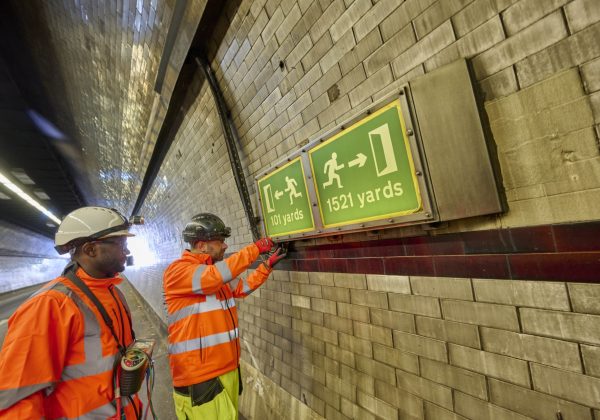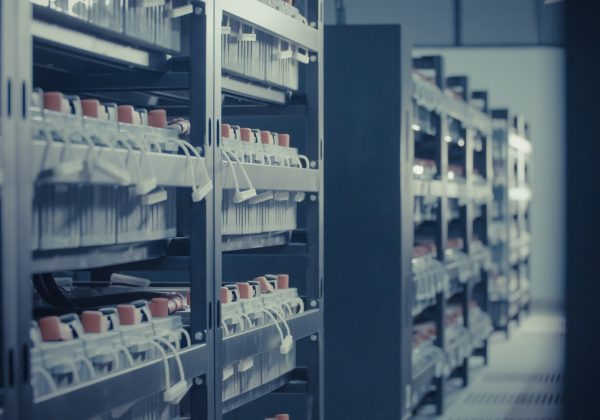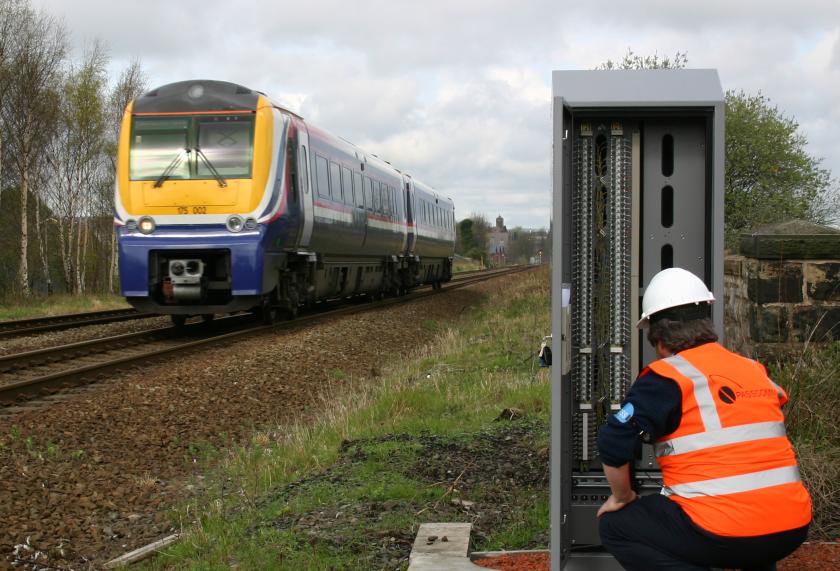
Trackside and roadside equipment operates in conditions that are far more demanding than those found in a typical commercial building. Cabinets may be exposed to rain, moisture, dust, pollution, vibration, temperature changes and accidental impact, while engineers may only have limited opportunities to access them for maintenance.
Choosing an enclosure therefore involves much more than finding a cabinet large enough to house the equipment.
A good specification needs to consider the equipment inside, the environment outside, how cables will enter and leave the cabinet, how heat will be managed and how easily engineers can inspect or replace components later. For rail, highways and other critical-infrastructure projects, these decisions can have a significant impact on reliability over the entire life of the asset.
- Start with the equipment the enclosure needs to protect
- Assess the installation environment before choosing the enclosure
- Consider corrosion resistance and material selection
- Account for vibration and mechanical stress
- Plan for heat generated by active equipment
- Think carefully about cable entry
- Design fibre management into the enclosure
- Make access and maintenance straightforward
- Specify around installation constraints
- Build future capacity into the specification
- Consider the whole-life cost, not just the purchase price
- Do not overlook testing and project requirements
- Example: trackside Box on Post enclosures
- A practical enclosure specification checklist
- Conclusion: specify for the environment, not just the equipment
Start with the equipment the enclosure needs to protect
The first question should be straightforward: what is actually going inside the enclosure?
A passive fibre termination cabinet has very different requirements from an enclosure containing active Ethernet switches, power supplies or other heat-generating electronics.
Trackside and roadside cabinets can contain combinations of telecommunications equipment, signalling components, switches, power supplies, copper connections, fibre termination equipment and network hardware. The size, power requirements and arrangement of these components should shape the enclosure from the beginning.
It is also important to consider how the equipment will be mounted. DIN rails, mounting plates, shelves, splice trays and cable-management systems all consume space. Specifying the enclosure purely around the external dimensions of the equipment can leave too little room for cabling, airflow or maintenance access.
Where several technologies are being integrated into the same cabinet, their relationship to one another should also be considered. Power and communications equipment may require separation, while delicate fibre connections need protection from tight bends or interference from other components.
The enclosure should be designed around the complete installed system rather than simply the largest component inside it.
Assess the installation environment before choosing the enclosure
Location should have a major influence on enclosure design.
A cabinet installed beside a railway can experience repeated vibration from passing trains, dust and debris from the surrounding environment, significant temperature changes and exposure to wind-driven rain. Roadside infrastructure can face similarly difficult conditions, including vehicle emissions, brake dust, standing moisture, UV exposure and accidental impact.
Different locations create different combinations of risks.
Equipment installed within a tunnel may be protected from direct sunlight but exposed to pollution, moisture and restricted airflow. A cabinet on an exposed roadside verge may experience rain, strong sunlight and large temperature variations. Trackside equipment may need to withstand vibration throughout its working life.
Understanding these conditions early makes it easier to select an appropriate enclosure material, ingress rating, sealing method and thermal-management approach.
A cabinet designed for a relatively clean indoor environment should not simply be transferred to a harsh infrastructure location without considering how those conditions will affect it.
Consider corrosion resistance and material selection
Material choice has a direct influence on how well an enclosure performs over time.
Painted or coated steel can provide a practical solution in many locations, particularly where environmental exposure is moderate and the finish is suitable for the intended application. In more demanding environments, however, corrosion resistance can become a much more important part of the specification.
Stainless steel may be appropriate where cabinets are regularly exposed to moisture, pollution or other corrosive contaminants. This can include certain road tunnels, coastal environments or other exposed infrastructure locations where long-term durability is particularly important.
The enclosure body is not the only consideration. Hinges, locks, fixings, mounting brackets and cable-entry components also need to be suitable for the same environment.
A robust enclosure constructed from an appropriate material can help protect the equipment throughout a long asset lifecycle, reducing the likelihood that corrosion becomes a maintenance issue before the electronics themselves need replacing.
Account for vibration and mechanical stress
Trackside and roadside cabinets are rarely installed in completely static environments.
Passing trains can create repeated vibration, while heavy road traffic can generate movement and mechanical stress around roadside equipment. Even relatively small levels of vibration become significant when repeated continuously for years.
This can affect more than the cabinet itself. Fixings can loosen, internal components can move and cable connections may experience additional strain if they have not been properly supported. Fibre and copper connections in particular need to remain secure and protected from unnecessary movement.
Mechanical design should therefore consider how the enclosure is mounted, how equipment is secured internally and how cables are restrained.
Door mechanisms, hinges and locks should also be robust enough for repeated use in the intended environment.
For infrastructure expected to remain operational for many years, resistance to vibration should form part of the enclosure specification rather than being treated solely as an installation issue.
Plan for heat generated by active equipment
Putting electronic equipment inside a weather-resistant cabinet creates another challenge: heat.
Network switches, power supplies and other active electronics all generate heat during operation. Once they are installed within a sealed or partially sealed enclosure, internal temperatures can rise significantly above the ambient temperature.
That can shorten component life or, in extreme cases, lead to equipment failure.
The thermal design therefore needs to reflect both the heat generated internally and the conditions outside the cabinet.
A larger enclosure can sometimes help by providing greater internal air volume and improved natural heat dissipation. In other applications, ventilation, filtered air systems or forced-air cooling may be required.
Where equipment is exposed to dust or pollution, however, ventilation creates another design consideration. Allowing air into the cabinet can also allow contaminants in, meaning filtration and maintenance requirements need to be considered.
The goal is not simply to keep the enclosure cool. It is to maintain an internal environment in which the installed equipment can operate reliably without undermining the protection the cabinet is intended to provide.
Think carefully about cable entry
Cable entry is one of the most important parts of an enclosure and one of the easiest areas to overlook during early specification.
Power, fibre and copper cables all need to enter the cabinet without compromising environmental protection.
Cable glands can provide individual sealed entry points, while removable gland plates or entry plates may make installation easier where multiple cables need to be accommodated. In other applications, ducts or purpose-designed cable-entry systems may be required.
The location of these entry points matters.
Cables should be able to reach their terminations without excessive bending or strain. Entry positions should also support sensible separation between power and telecommunications infrastructure where required.
Future maintenance should be considered as well. An installation that is neat at commissioning can become difficult to work on if every available cable-entry position has already been used.
The enclosure should provide a controlled route into the cabinet while leaving engineers enough space to safely install, identify and maintain the cables.
Design fibre management into the enclosure
Fibre infrastructure brings its own set of requirements.
Optical fibre can provide large amounts of network capacity within a relatively small cable, but it needs to be handled carefully. Excessive bending, poor routing or inadequate protection can affect performance or make future maintenance much more difficult.
Enclosures used for telecommunications applications should therefore consider fibre management as part of the internal design.
There should be suitable space for termination and splicing, together with controlled cable routes that maintain the appropriate bend radius. Fan-out assemblies and other breakout arrangements may also need dedicated space so individual fibres remain protected and clearly organised.
Accessibility is equally important.
Engineers should be able to reach splice trays, connectors and termination points without disturbing unrelated fibres or removing large quantities of other equipment.
Good fibre management makes the enclosure easier to commission initially and significantly easier to work on later.
Make access and maintenance straightforward
Trackside and roadside equipment is often difficult to access.
Rail maintenance may need to take place during planned possessions or other restricted working periods. Roadside cabinets may require traffic management or specialist access arrangements before engineers can work safely.
That makes every minute spent at the enclosure more significant.
Door opening and working height should therefore be considered carefully. Engineers need enough room to inspect components, connect test equipment and replace hardware without unnecessary dismantling.
Internal layout matters just as much.
Frequently accessed components should not be hidden behind other equipment. Removable panels can make installation and maintenance easier, while clear labelling helps engineers understand the cabinet quickly when working under time pressure.
Even relatively small design decisions can influence maintenance efficiency over the lifetime of the asset.
An enclosure that is easy to work on can help reduce both maintenance time and the operational disruption associated with accessing the site.
Specify around installation constraints
Infrastructure projects rarely provide unlimited installation space.
A roadside cabinet may need to fit within a narrow verge. Trackside equipment may have strict clearance requirements, while tunnel installations can be constrained by the available profile and surrounding services.
Existing infrastructure creates further complications.
New equipment may need to connect into legacy copper networks, established fibre routes or existing ducts whose positions cannot easily be changed. In some cases, the enclosure may also need to replace an older cabinet while using existing foundations or mounting arrangements.
These constraints should be assessed before selecting a standard product.
A catalogue enclosure may have approximately the correct capacity but still be impractical because its doors cannot open fully, its cable entries are in the wrong location or its dimensions conflict with the available clearance.
Where site conditions are particularly restrictive, a modified or purpose-designed enclosure may provide a much better result than forcing a standard cabinet into the available space.
Build future capacity into the specification
The equipment installed today may not be the equipment the cabinet needs to support in five or ten years.
Rail and highways communications networks continue to evolve. Additional fibre may be introduced, more ports may be required and active equipment can be replaced with newer technology.
Building some spare capacity into the enclosure can make those future changes considerably easier.
That might mean allowing space for additional fibre terminations, spare cable entries or another piece of network equipment. It can also mean selecting an internal layout that can be reconfigured rather than one designed around a single fixed arrangement.
There is a balance to strike. Oversized cabinets can increase costs and create installation problems of their own.
The objective should be sensible provision for foreseeable expansion rather than specifying the largest enclosure available.
A cabinet that can accommodate reasonable future changes is less likely to become obsolete simply because the surrounding network evolves.
Consider the whole-life cost, not just the purchase price
The initial cost of an enclosure is only one part of its overall cost.
A cheaper cabinet can quickly become expensive if corrosion requires repairs, poor internal access increases maintenance time or inadequate environmental protection contributes to equipment failure.
Thermal problems can have a similar effect. Saving money by avoiding appropriate ventilation or cooling may lead to shorter equipment life and additional maintenance visits.
The location of infrastructure can amplify these costs.
Replacing a cabinet beside a railway may involve possessions and specialist access. Roadside work can require traffic management. A relatively inexpensive component failure can therefore result in a much larger operational cost.
Whole-life value should take account of expected service life, maintenance requirements, reliability and the ease with which equipment can be upgraded or replaced.
A robust enclosure that costs more initially may represent better value if it performs reliably for considerably longer.
Do not overlook testing and project requirements
Enclosure selection also needs to align with the standards and assurance requirements of the wider project.
That can include a specified ingress-protection level, client-specific material or construction requirements and particular testing or documentation processes.
Rail and highways schemes may also have sector-specific approval requirements depending on the location and application.
These considerations should be identified early.
Discovering late in the programme that an enclosure does not satisfy a client standard or assurance requirement can lead to redesign, replacement and delay.
The specification should therefore consider not just whether the enclosure appears suitable in principle, but whether its construction, testing and documentation can satisfy the requirements of the project in which it will be used.
Example: trackside Box on Post enclosures
Passcomm’s Box on Post, or BOP, enclosures provide a practical example of cabinets developed around trackside telecommunications and signalling requirements rather than adapted from general-purpose commercial products.
The enclosures are designed to provide protected housing for trackside connections and equipment while accommodating the practical requirements of cable entry, termination and maintenance.
Internal mounting arrangements allow telecommunications and signalling components to be organised securely, with cable infrastructure entering through protected routes rather than being left exposed to the surrounding environment.
The BOP-D configuration extends this concept for applications involving active equipment. Where switches, power supplies or other electronics are installed, the enclosure needs to take additional factors such as internal layout, equipment mounting and thermal performance into account.
These types of purpose-developed products demonstrate why infrastructure enclosures should be designed around the real application. The cabinet is part of the communications system rather than simply a weatherproof box placed around it.
A practical enclosure specification checklist
Before approving a trackside or roadside enclosure, specifiers should be able to answer several basic questions.
Start with the equipment: what needs to be installed, how much space does it require and does any of it generate significant heat? Then consider the site itself, including expected exposure to moisture, pollution, vibration, UV and temperature variation, together with the required level of ingress protection.
Cable routing and maintenance also need to be clear. The design should define how power, fibre and copper connections will enter the enclosure, how engineers will reach important components and whether the available installation space allows doors and panels to operate properly.
Finally, consider what happens later. Is spare capacity needed for additional fibre, ports or replacement equipment? Can the cabinet accommodate reasonable network expansion? Most importantly, does the proposed standard enclosure genuinely suit the location, or is the project trying to make the site fit the product?
Answering those questions early can prevent much larger problems during installation and throughout the operational life of the asset.
Conclusion: specify for the environment, not just the equipment
A trackside or roadside enclosure is much more than a metal box around electrical or telecommunications equipment.
Its job is to create a controlled, protected and maintainable environment for infrastructure that may need to operate reliably for many years in difficult conditions.
That means specification should consider the surrounding environment alongside the equipment inside. Material selection, ingress protection, thermal management, vibration resistance, cable routing and maintenance access all influence long-term performance.
Installation constraints and future expansion matter too. A cabinet that works perfectly on a drawing may be far less effective if engineers cannot access it easily or there is no space to accommodate the next stage of the network.
The strongest enclosure specification brings all of these considerations together from the outset, resulting in infrastructure that fits the site, protects the equipment and remains practical to operate and maintain throughout its working life. Contact us to start your conversation about the right enclosure for your needs.